
EN


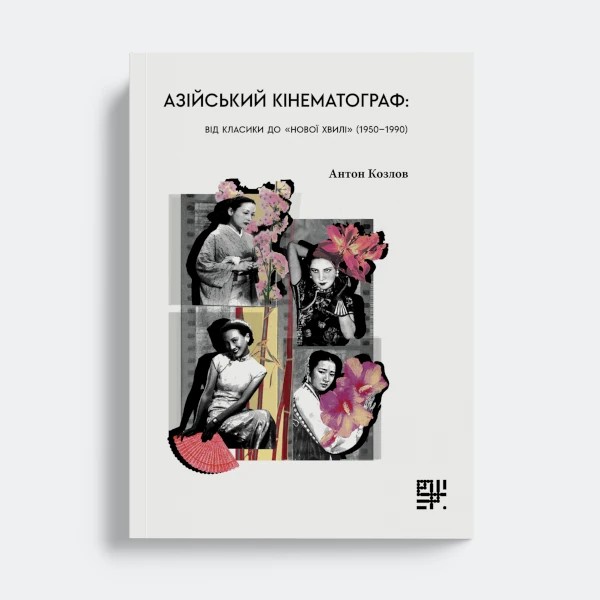
The postwar decades marked a true explosion for Asian cinema.
In Japan, films emerged that would forever enter the history of world cinema: «Seven Samurai» by Akira Kurosawa and «Tokyo Story» by Yasujirō Ozu. These works opened Japan to the world and demonstrated that cinema could be not only entertainment, but also a profound philosophical dialogue.
In Korea, this period is known as the «Golden Age» of the 1950s–60s, when Kim Ki-young created «The Housemaid», a film still regarded as one of the most powerful in Korean cinema. At the same time, directors such as Shin Sang-ok and Yu Hyun-mok were working under censorship, producing dramas about social trauma and loss.
In China, from the late 1940s onward, cinema came under strict censorship by the Communist Party. In the late 1980s, the «Fifth Generation» of filmmakers emerged — including Zhang Yimou («Red Sorghum») and Chen Kaige («Farewell My Concubine») — who were the first to present Chinese cinema at major European festivals and make it part of a global cultural conversation. This generation took risks, creating auteur cinema that was celebrated internationally but often criticized within China itself.
At the same time, Hong Kong was experiencing its own «Golden Age»: Bruce Lee, Jackie Chan, and later John Woo laid the foundations of genre cinema that would influence even Hollywood. Meanwhile, the early films of Wong Kar-wai introduced a new poetic sensibility and emotional depth to Hong Kong cinema.
Thus, the period from the 1950s to the 1990s became the time when Asian cinema first asserted itself as an equal partner to the West, offering the world classic masterpieces and laying the groundwork for future generations.